In The Journey, Marianna Pafiti reflects on two decades of living with multiple sclerosis, tracing not only what illness and disability took away, but also what they revealed, transformed and made possible.
Rather than presenting disability as an individual tragedy, Pafiti turns her own experience outward and asks what genuine inclusion requires from everyone else. Her story becomes a wider reflection on the physical, social and emotional barriers that disabled people encounter, and on the assumptions that continue to shape how disability is understood.
Through moments of loss, adaptation, frustration and resilience, The Journey explores what it means to rebuild a sense of identity when the life once imagined is no longer possible in the same form. Pafiti writes about learning to navigate a world that is often designed without disabled people in mind, while also discovering new ways of understanding independence, strength, vulnerability and belonging.
At the heart of the book is a challenge to the idea that inclusion is achieved simply by offering sympathy or making occasional accommodations. Pafiti instead invites readers to consider accessibility as a shared responsibility: something that must be built into workplaces, public spaces, relationships, attitudes and everyday decisions from the beginning.
Her personal experience therefore becomes more than a story about living with multiple sclerosis. It is also a call for greater awareness, empathy and meaningful change. By speaking openly about the realities of disability, Pafiti asks the audience to look beyond diagnosis and limitation, to recognise the whole person, and to imagine a society in which disabled people are not merely accommodated but fully included, respected and able to participate on equal terms.
Ultimately, The Journey is about transformation. It acknowledges the grief that can accompany profound change without allowing that grief to define the entire story. It is a reflection on adapting to uncertainty, finding possibility within altered circumstances and recognising that a meaningful life does not depend on fitting a single idea of what a body, a career or a future should look like.
Watch on YouTube ↗
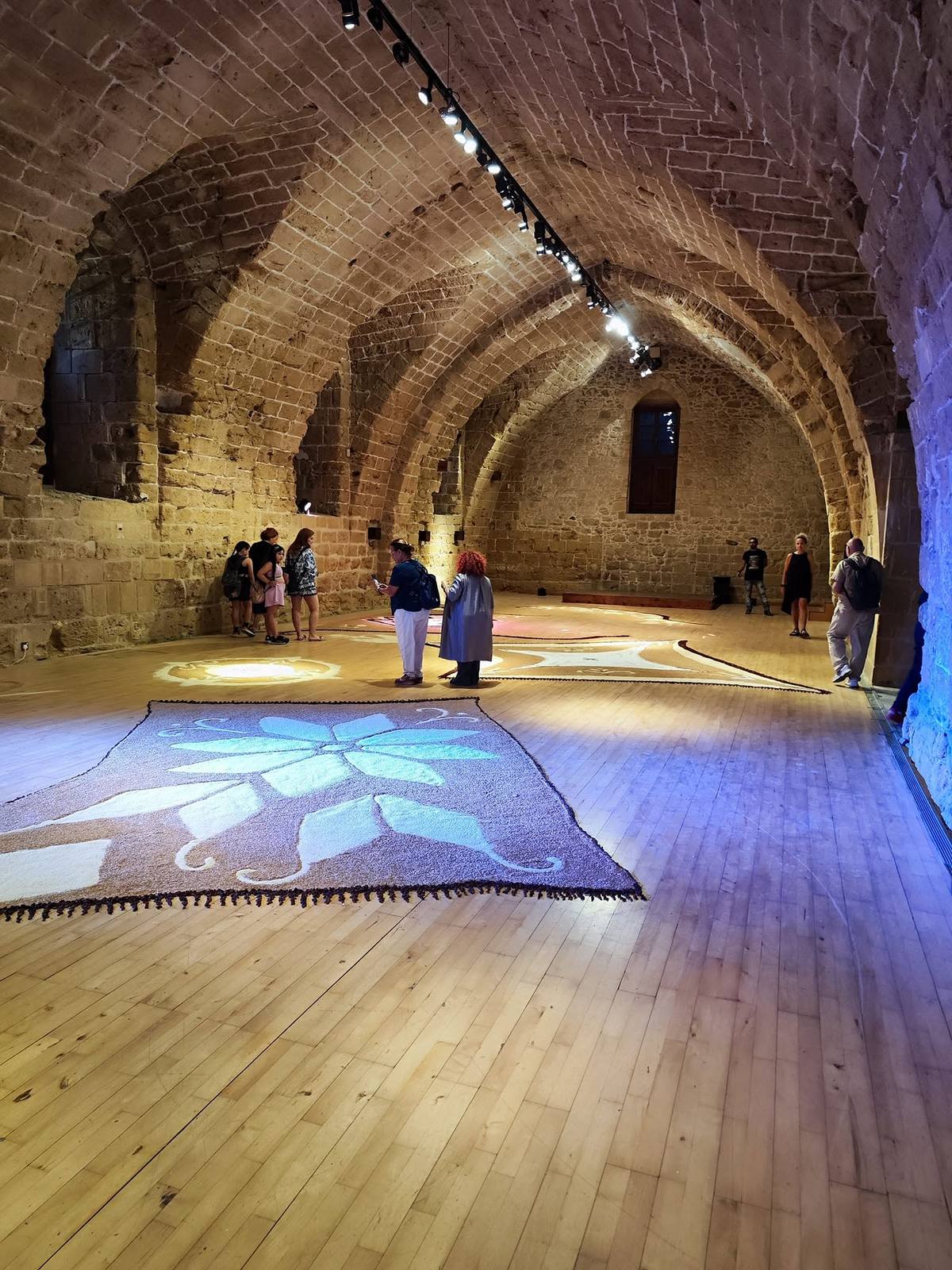
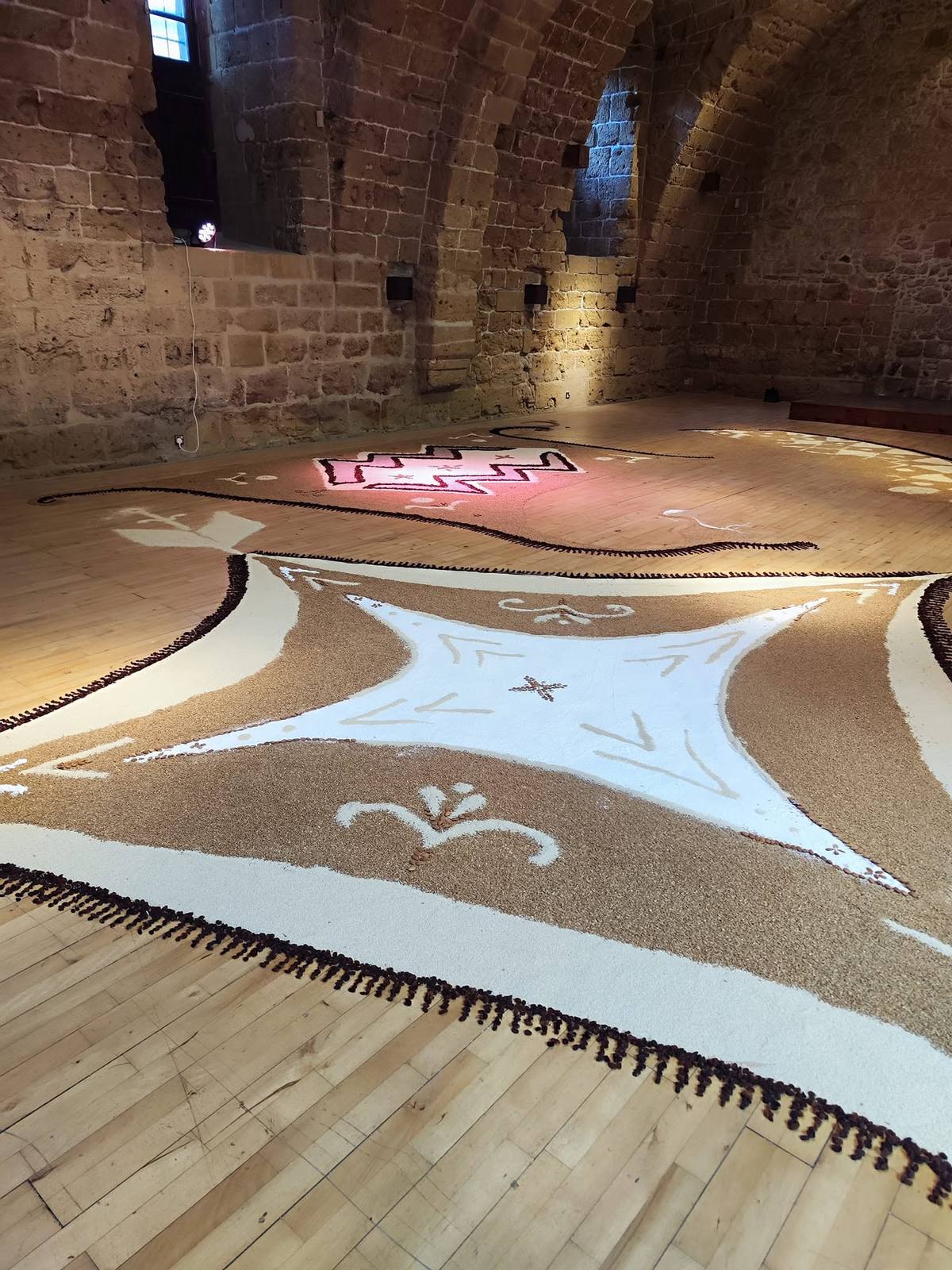
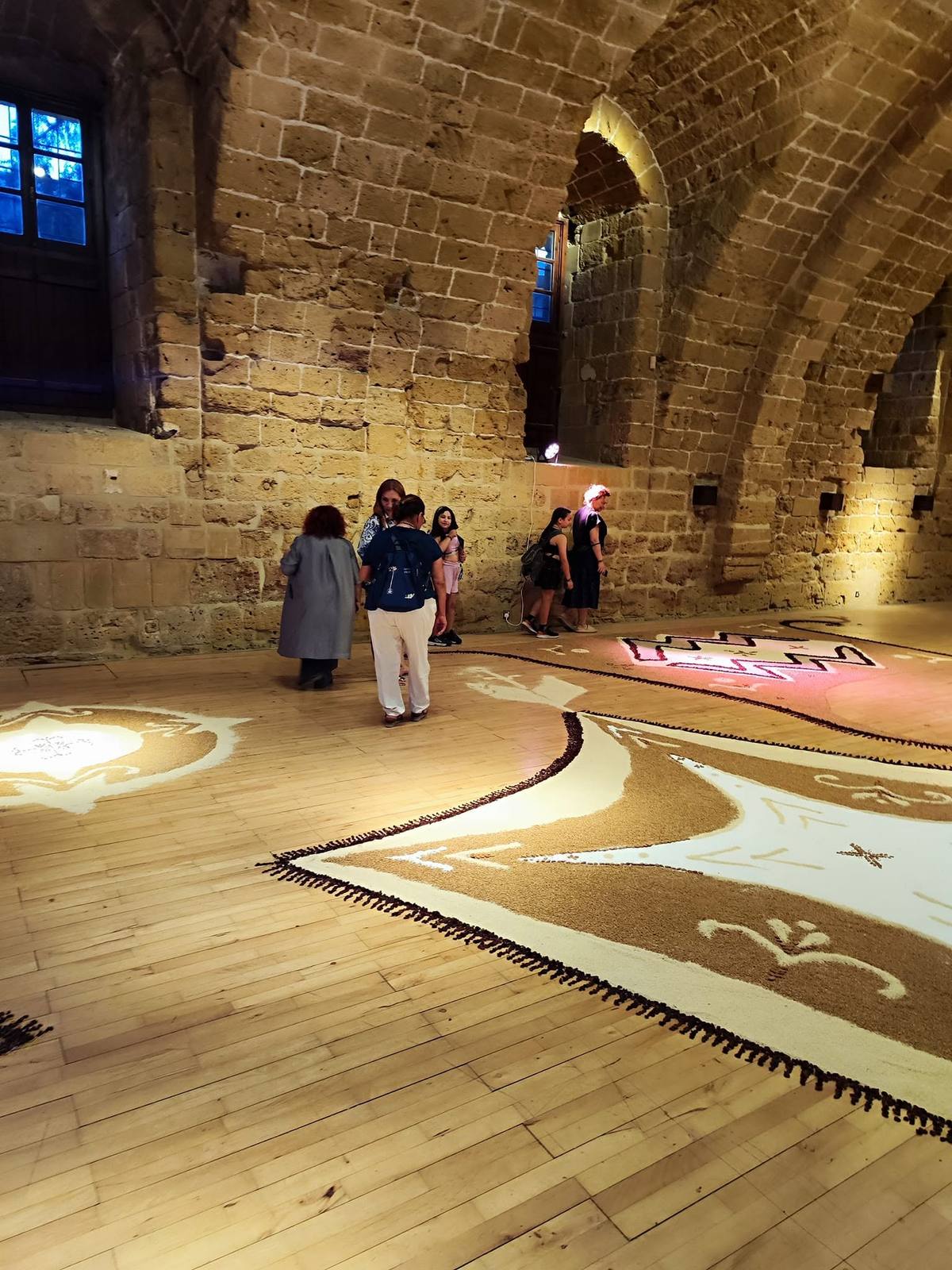
Disability, confinement, death.
By Loucas Ioannou
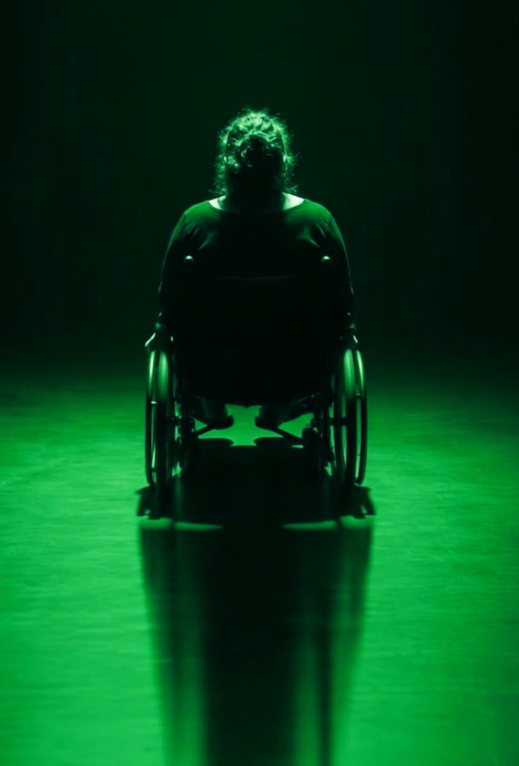
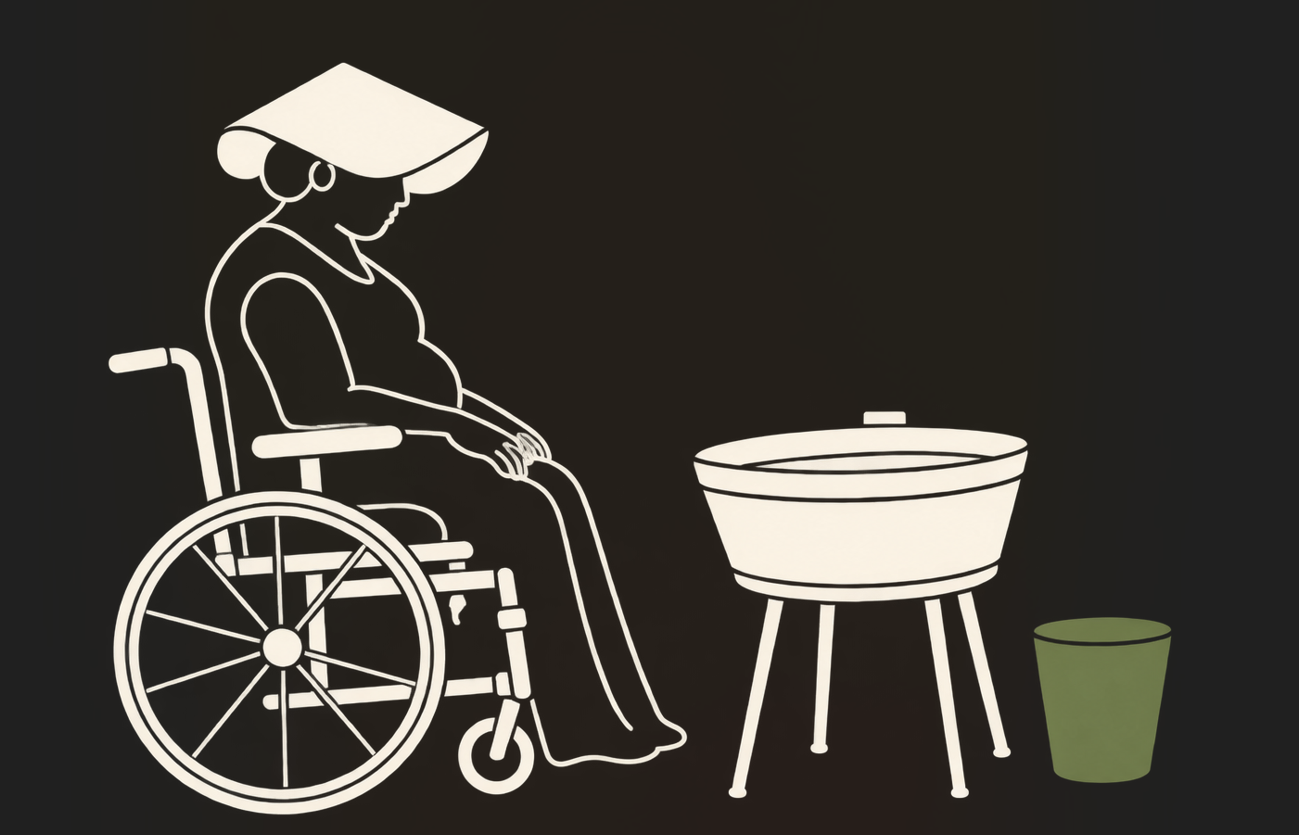
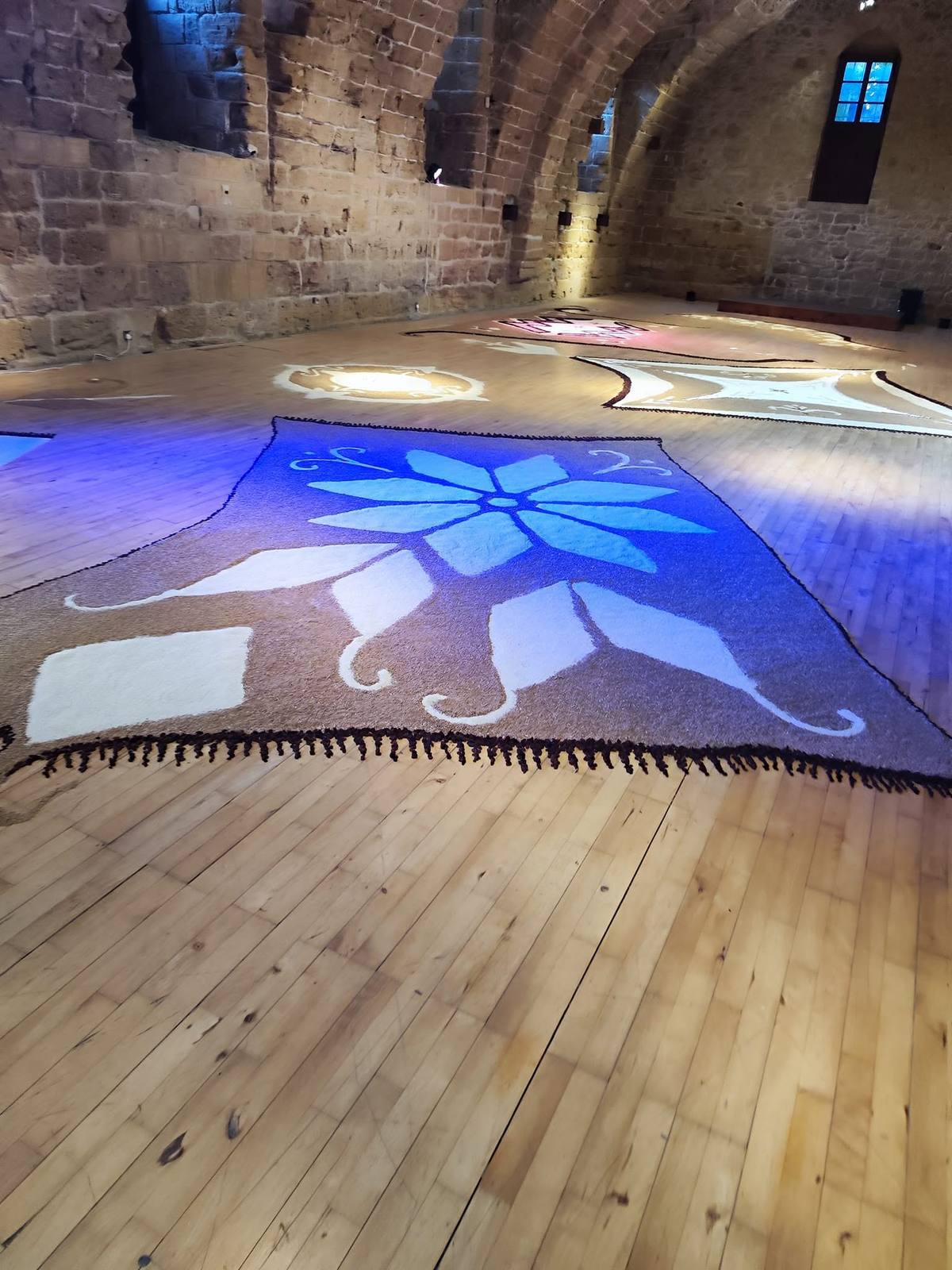
A visual art exhibition by Loucas Ioannou, inspired by the dystopia of disability and by death. Disability is approached as a dystopian condition, with the confinement experienced by many disabled people interpreted as the alter ego of death.
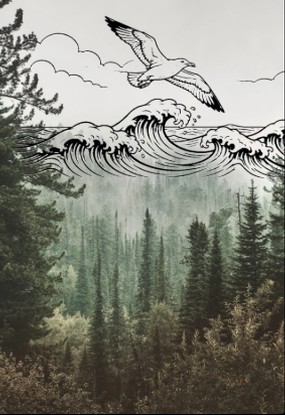
The work draws on the idea of dystopia as a catastrophic vision of collective reality and retains the Dantean Inferno of the original theatrical text in the exhibition title. Through this connection, the exhibition explores control, the exercise of power and the deprivation of personal freedom.
Rather than imagining a distant future, the work turns toward a dystopia that is already present. Dante’s Inferno becomes a reference point for an endless cycle of suffering, while the exhibition develops into a broader study of death: death as a natural end, as a condition imposed by failing health, as a shadow over the contemporary world, and as a metaphysical release from the authority of the body.
This idea is expressed through the notion of “dystopian entelechy” — a reversal of the Aristotelian concept of fulfilment, in which completion is imagined as liberation from matter itself.
Curators: Katina Kosta & Loucas Ioannou
Creative Team: Ioannis Schizas & Rebecca Taki
Organised by: Neofytos Organisation for Culture (Disability)
Supported by: Cultural Services of the Deputy Ministry of Culture
Venue: gARTen ArtSpace, Georgiou Malikidi 27, Limassol 3040